ॐ सर्वे भवन्तु सुखिनः सर्वे सन्तु निरामयाः । सर्वे भद्राणि पश्यन्तु मा कश्चिद्दुःखभाग्भवेत् ।

Prana is a subtle invisible force that pervades the body and connects the body with the mind. In a nutshell, it is the connecting link between the body and the mind. Pranayama is the centre of all the yoga techniques. It is the self energizing force which embraces the body.
1. Chandra Bheda PranayamaThe word chandra means ‘moon’ and bheda means ‘to pierce’ or ‘to pass through’. In essence it is a form through which breath passes through the left nostril. Left nostril indicates Ida nadi (mental energy) which is a sign of lunar energy and hence the name Chandra Bheda Pranayama. Through this practice the mental energy is stimulated. This helps to relax and calm the muscles of the upper body.
Benefits of Chandra Bheda Pranayama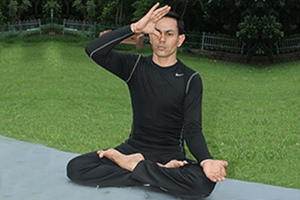
Pingala Nadi or the right nostril represents the physical energy of body which is important for the metabolic processes. Breathing with the right nostril increases the efficiency Pranic energy, the physical energy, to revitalize the body. It increases the efficiency of digestive system, also boosts the nervous system.
Benefits of Surya Bheda Pranayama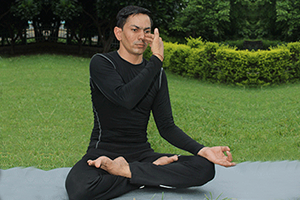
which means “alternate” in Sankrit is also known as Nadi Shuddhi Pranayama which simply means breathing through alternate nostrils of nose. While the pranayama is easy to do without an expert it is advisable to do with the under any expert supervision. The following is the procedure for doing the pranayama.
Increased duration of this exercise will give better results :
Procedure for doing Anuloma Vilom Pranayama :Note : It is advisable to keep track of the climate while performing the Anuloma Vilom Pranayama. In summer begin with Chandrasvar (the left nostril) and in winter begin with Suryasvar (the right nostril).
Benefits of doing Anuloma Vilom Pranayama :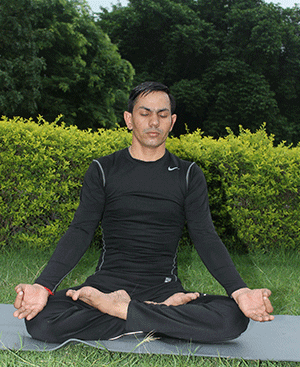
An art of meditative technique of using both nostrils which leads to contraction of middle and lower abdomen portions and helps in clearing nasal passages. This passive breathing and forceful exhalation can be stretched to as far as 100/strokes/minutes.
Benefits of doing Kapalbhati Pranayama :An art of meditative technique of using both nostrils which leads to contraction of middle and lower abdomen portions and helps in clearing nasal passages. This passive breathing and forceful exhalation can be stretched to as far as 100/strokes/minutes.
Procedure for practicing Bhastrika Pranayam :Agnisar Pranayama is the necessary part of pranayama other six Bhastrika, Kapalbhati, Bahya, Anulom-Vilom, Bhramri and Udgeeth.
Method of Practice :Note : In this one cycle of Agnisar pranayama one can contract and expand the stomach at least ten times.
Few Benefits of doing Agnisar Pranayama include :